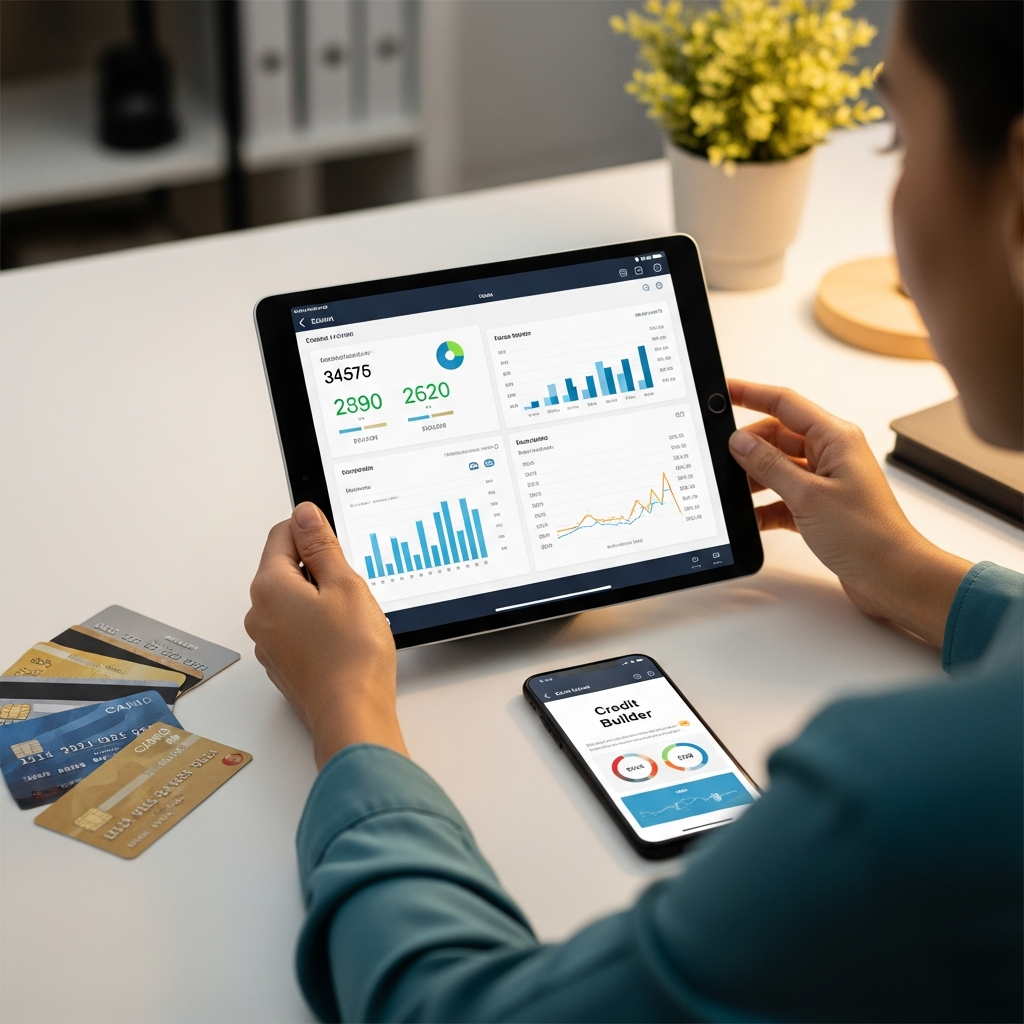
Building good credit is fundamental to achieving financial stability, opening doors to better loans, housing, and even employment opportunities. This ultimate guide will demystify credit builder tools, exploring various apps, cards, and strategic approaches designed to help you establish or improve your credit score effectively. Learn how to navigate the options and take control of your financial future today.
Understanding the Foundation of Your Credit Score
A credit score is a numerical representation of your creditworthiness, indicating your reliability in managing financial obligations. This vital three-digit number acts as your financial report card, fundamentally influencing myriad aspects of your life. Lenders, landlords, and even utility providers use it to assess risk before granting loans, approving mortgages, securing rental agreements, or initiating services. Its importance extends to influencing interest rates on loans, affecting insurance premiums, and occasionally even impacting employment background checks.
The foundation of this score rests on key factors:
- Payment History (35%): Consistently making payments on time is paramount. Late payments significantly damage your score.
- Credit Utilization (30%): This measures how much available credit you’re using. Keeping it below 30% is ideal.
- Length of Credit History (15%): A longer history of responsible credit use generally leads to a higher score.
- New Credit (10%): Frequent applications for new credit or opening multiple accounts in a short period can lower your score.
- Credit Mix (10%): A diverse mix of credit, such as installment loans (e.g., car loans) and revolving credit (e.g., credit cards), can be beneficial.
A strong credit score unlocks favorable terms, saving you substantial money over your lifetime through lower interest rates and better approvals, underscoring the profound long-term impact of credit health.
Start Building Your Credit Now!
Exploring Credit Builder Cards and Secured Options
Unlike traditional credit cards, which necessitate a robust credit history for approval, secured credit cards offer a vital pathway for individuals aiming to establish or rebuild their credit. These cards function by requiring a refundable security deposit, which typically sets your credit limit. This deposit acts as collateral for the issuer, significantly reducing their risk and making the card accessible even if you lack a strong credit profile. Crucially, secured cards report your payment activity to all three major credit bureaus—Equifax, Experian, and TransUnion—mirroring the reporting of unsecured cards. This consistent reporting directly contributes to your payment history and credit utilization, two foundational elements of your credit score. When choosing a secured card, prioritize those with low or no annual fees and confirm their comprehensive reporting practices. To effectively boost your credit, always pay your balance in full and on time, and maintain a low credit utilization ratio, ideally below 30%. This disciplined usage demonstrates responsible financial management, paving the way for higher credit scores and better financial opportunities.

Leveraging Credit Builder Loans for Financial Growth
Leveraging credit builder loans offers another strategic avenue for financial growth, distinctly different from revolving credit options. Unlike traditional loans where you receive funds upfront and then repay, these function in a unique ‘reverse’ structure. The loan amount is initially deposited into a locked savings account or certificate of deposit (CD) in your name. You then make regular, agreed-upon installment payments towards this account over a set period. Once the loan term is complete and all payments are made, the funds, often with accrued interest, are released to you.
This mechanism serves as a disciplined savings tool while simultaneously building credit history. Each on-time payment is reported to all three major credit bureaus—Experian, Equifax, and TransUnion—establishing a positive payment history, a crucial factor in credit scoring. Advantages include compelling forced savings, diversifying your credit mix with an installment account, and providing access to a lump sum at the end. When selecting a provider, scrutinize loan terms, administrative fees (avoiding high ones), and confirm they report to all major bureaus. These loans are particularly beneficial for individuals with no credit history, a thin credit file, or those aiming to improve their credit mix beyond just credit cards.
Innovative Credit Builder Apps and Alternative Services
Innovative Credit Builder Apps and Alternative Services offer a modern approach, distinct from credit builder loans. These tools, like Experian Boost or RentReporter, identify and report recurring payments—rent, utilities, subscriptions—directly to major credit bureaus. By securely linking your bank account, they verify existing on-time payments, transforming them into valuable positive credit history. This method excels for individuals with thin credit files or those new to credit, leveraging existing financial habits without new debt. Pros include immediate impact and utilizing expenses you already pay. However, users must weigh security considerations regarding linked accounts and the often-present monthly subscription fees. Furthermore, effectiveness varies; some services only report to specific bureaus, and their impact can differ across scoring models. Integrating these apps strategically complements other tools, showcasing diverse positive payment behaviors for a comprehensive credit profile.
Strategies for Maximizing Your Credit Building Efforts
To maximize your credit building efforts, cultivate impeccable payment habits. Ensure every bill, especially those reported by innovative credit builder apps and services, is paid on time and in full. A critical strategy involves maintaining a low credit utilization ratio, ideally below 30%, on revolving accounts like secured credit cards, as this profoundly impacts your score. Consistently monitor your credit reports from all three bureaus for inaccuracies; promptly dispute any errors to safeguard your progress. Diversify your credit profile by effectively integrating different tools—for instance, responsibly using a secured credit card for daily expenses alongside a credit builder loan. This demonstrates adept management of various credit types. Once a strong payment history and a healthy score are established, strategically transition to traditional unsecured credit lines, solidifying your long-term financial stability.
Start Building Your Credit Now!
Avoiding Common Pitfalls and Maintaining Long-Term Credit Health
While building credit, numerous pitfalls can derail progress. A common mistake is taking on excessive debt, even with credit builder products. This can lead to unmanageable payments and a higher utilization ratio, undermining your efforts. Another trap is succumbing to predatory credit repair scams or high-interest lenders promising quick fixes; always verify legitimacy and terms. To maintain long-term credit health, proactive vigilance is paramount. Regularly monitor your credit reports for any inaccuracies or fraudulent activity, understanding that even small discrepancies can impact your score. Leverage free annual reports and credit monitoring services. Beyond mere vigilance, cultivate ongoing financial discipline: consistently pay all bills on time, maintain low credit utilization across all accounts, and live within your means. This sustained commitment is the bedrock of enduring financial stability and strong credit, transitioning you from mere credit building to masterful credit management.
Conclusions
In conclusion, leveraging credit builder tools strategically can significantly enhance your financial standing. Whether through secured cards, credit builder loans, or innovative apps, the key is consistent, responsible use. By understanding these options and avoiding common mistakes, you can build a robust credit history, unlocking greater financial freedom and opportunities for a brighter future.