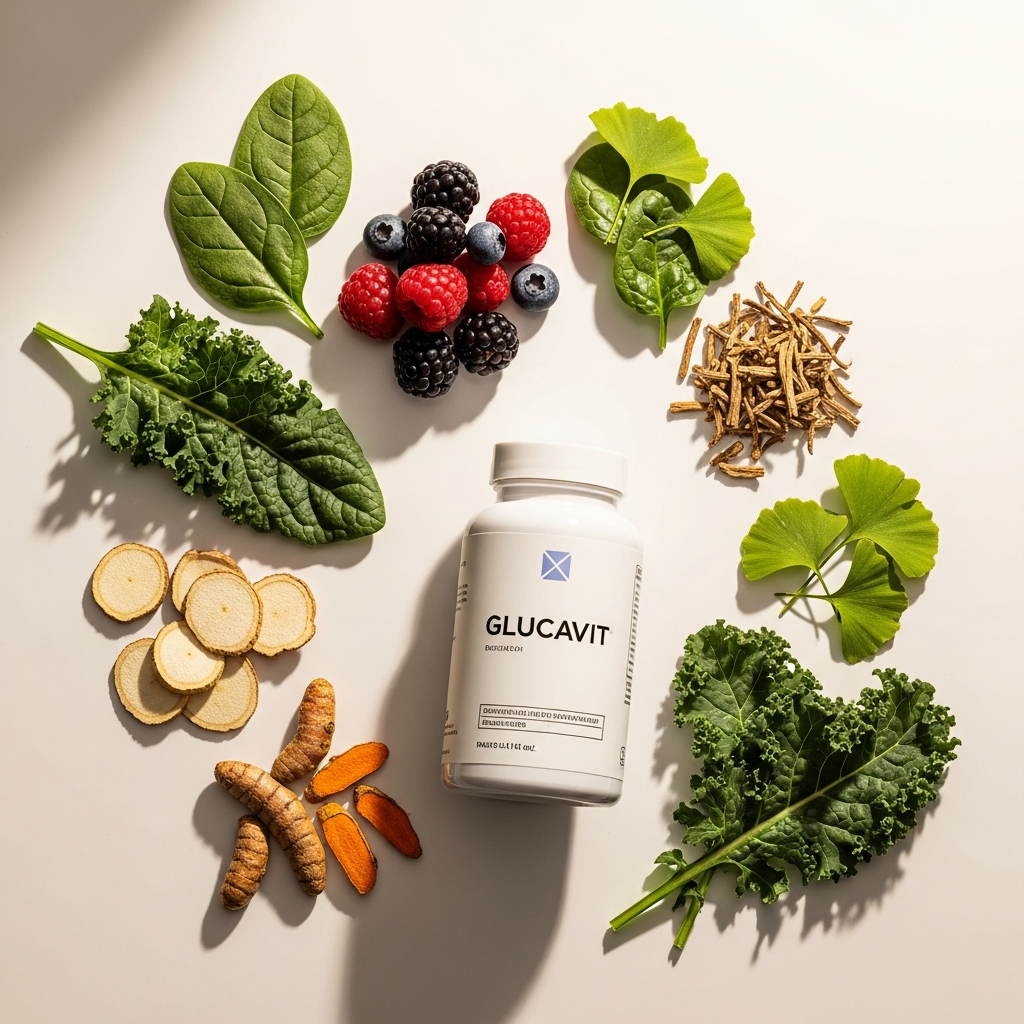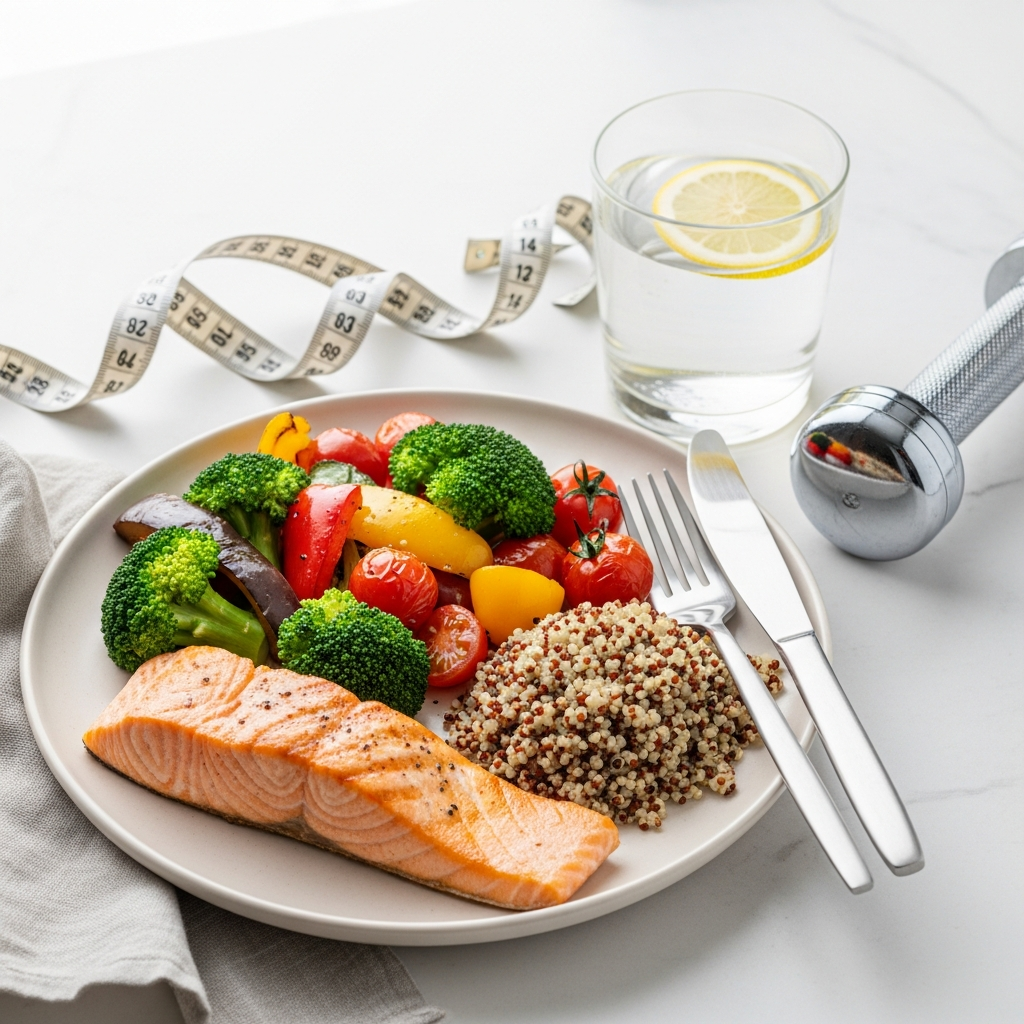
Discover the transformative power of the Glucavit Diet Plan, a natural approach designed to ignite your body’s fat-burning capabilities and optimize metabolism. This comprehensive guide will reveal how specific dietary choices and lifestyle adjustments can lead to effective weight management, increased energy levels, and overall well-being. Learn to harness your body’s inherent wisdom for a healthier, more vibrant you.
Understanding the Glucavit Diet Principles
The Glucavit Diet Plan transcends a mere dietary regimen; it represents a comprehensive philosophical approach to nutrition, meticulously engineered to optimize metabolic function, foster sustainable fat loss, and elevate overall well-being. At its core, Glucavit is a portmanteau embodying two fundamental pillars of metabolic health: glycemic control and vital micronutrient saturation.
The “Gluco” aspect of the plan places paramount emphasis on maintaining stable blood glucose levels throughout the day. This isn’t just about avoiding sugar crashes; it’s a sophisticated strategy to mitigate the detrimental effects of chronic hyperinsulinemia. When blood sugar surges, the pancreas releases insulin, a hormone whose primary role is to shuttle glucose into cells for energy or storage. While essential, chronically elevated insulin levels drive the body towards fat storage, inhibit fat burning, and can progressively lead to insulin resistance, a precursor to type 2 diabetes and a significant barrier to weight loss. The Glucavit approach systematically minimizes these glycemic spikes, thereby promoting a state where the body is more inclined to tap into its fat reserves for energy rather than constantly relying on circulating glucose. This careful orchestration of blood sugar directly influences hormonal balance, satiety, and energy expenditure, creating an internal environment conducive to burning stored body fat.
The “Vit” component underscores the critical importance of a dense intake of vitamins, minerals, antioxidants, and phytonutrients. These micronutrients are not merely supplementary; they are the indispensable cofactors and catalysts for countless biochemical reactions that underpin metabolism, energy production, cellular repair, and detoxification. For instance, B vitamins are crucial for converting food into energy; magnesium and zinc play pivotal roles in insulin signaling and enzyme function; and a broad spectrum of antioxidants from whole foods combats oxidative stress, which can otherwise damage cells and impair metabolic efficiency. The Glucavit Plan recognizes that a calorie is not just a calorie; the nutrient density accompanying those calories dictates how efficiently the body can convert food into energy, repair itself, and maintain robust metabolic pathways. By prioritizing nutrient-rich foods, the plan aims to rectify common micronutrient deficiencies that can silently sabotage metabolic health and energy levels.
The primary goals of the Glucavit Diet Plan are multifaceted and deeply interconnected. Firstly, it aims for sustainable fat burning by optimizing the body’s hormonal and enzymatic pathways to favor fat oxidation over fat storage. This is achieved not through restrictive calorie deprivation, but by fostering metabolic flexibility, enabling the body to efficiently switch between burning carbohydrates and fats for fuel. Secondly, the plan seeks to boost metabolism naturally. This involves enhancing the efficiency of cellular energy production, supporting thyroid function, and leveraging the thermic effect of food (the energy expended during digestion and absorption), particularly through strategic macronutrient ratios. Thirdly, and perhaps most holistically, it strives for overall health improvement and enhanced energy. By providing the body with optimal nutrition and stable energy supply, the Glucavit Plan aims to reduce inflammation, improve gut health, enhance cognitive function, stabilize mood, and build resilience against chronic diseases, transcending mere weight management to unlock a profound sense of vitality.
The scientific basis supporting the Glucavit approach is robust, drawing from decades of research in nutritional science, endocrinology, and cellular biology.
Insulin Sensitivity and Glycemic Load: The core principle of glycemic control directly addresses the critical role of insulin in fat metabolism. By minimizing high-glycemic foods, the plan helps prevent chronic hyperinsulinemia, which is a major driver of fat storage and insulin resistance. Improved insulin sensitivity means cells respond more effectively to insulin, requiring less of the hormone to clear glucose from the bloodstream, thereby shifting the body into a more consistent fat-burning state. This also helps regulate appetite by preventing the rapid blood sugar dips that often trigger hunger and cravings.
Thermic Effect of Food (TEF) and Macronutrient Partitioning: The plan strategically leverages the TEF, particularly with its emphasis on lean proteins. Protein has a significantly higher thermic effect than carbohydrates or fats, meaning a greater percentage of its calories are burned off during digestion and absorption. This not only contributes to a higher daily energy expenditure but also promotes satiety and preserves lean muscle mass, which is metabolically active tissue.
Mitochondrial Biogenesis and Function: Mitochondria are the “powerhouses” of our cells, responsible for producing ATP (cellular energy). The Glucavit Plan’s focus on micronutrient density directly supports mitochondrial health and function. Essential vitamins (like B vitamins, Vitamin C, Vitamin E) and minerals (magnesium, iron, zinc, selenium) are crucial cofactors for the enzymes involved in the electron transport chain and Krebs cycle. Optimal nutrient supply enhances mitochondrial efficiency and can even stimulate mitochondrial biogenesis, leading to a more robust and energetic metabolism at the cellular level.
Hormonal Regulation: Beyond insulin, the Glucavit diet positively influences other key metabolic hormones such as leptin (satiety hormone), ghrelin (hunger hormone), and thyroid hormones. By stabilizing blood sugar and providing consistent nutrient intake, the plan helps normalize these hormones, leading to better appetite control, reduced cravings, and optimized metabolic rate. Reduced inflammation, often a byproduct of a nutrient-dense diet, further supports proper hormonal signaling throughout the body.
Antioxidant Defense and Anti-Inflammatory Effects: Chronic low-grade inflammation is a significant impediment to metabolic health, contributing to insulin resistance, weight gain, and various diseases. The abundance of vibrant fruits, vegetables, and other whole foods in the Glucavit Plan provides a rich array of antioxidants and anti-inflammatory compounds. These compounds neutralize free radicals, reduce oxidative stress, and dampen inflammatory pathways, allowing metabolic processes to function more smoothly and efficiently. This protective effect on cellular health is fundamental to long-term metabolic vitality.
Start Your Glucavit Journey Now!
Key Foods for Fat Burning and Metabolic Health
The Glucavit Diet Plan hinges on a carefully selected array of foods designed not just to nourish, but to actively engage your body’s fat-burning machinery and optimize metabolic function. Moving beyond general principles, this chapter delves into the specific dietary components that form the bedrock of this approach, detailing how each contributes to sustainable weight loss and enhanced energy.
- Lean Proteins: These are paramount for maintaining muscle mass, which is metabolically active tissue, meaning it burns more calories even at rest. Adequate protein intake also significantly increases satiety, helping to curb cravings and prevent overeating. Furthermore, protein has the highest thermic effect of food (TEF), meaning your body expends more energy digesting and metabolizing protein than carbohydrates or fats, thereby directly boosting your daily calorie expenditure. This sustained feeling of fullness, combined with the metabolic lift, is crucial for fat burning.
- Skinless Chicken Breast and Turkey Breast: These are classic examples of lean protein. They provide a complete amino acid profile essential for muscle repair and growth without excessive saturated fat. Their high protein content means a substantial TEF, making your body work harder to process them, contributing to a boosted metabolism.
- White Fish (Cod, Tilapia, Haddock): Extremely low in fat and high in protein, these fish varieties are excellent for maximizing protein intake while minimizing calories. They offer easily digestible protein that supports muscle maintenance and satiety, aiding fat loss.
- Egg Whites: Almost pure protein with virtually no fat or carbohydrates, egg whites are a versatile and efficient way to increase protein consumption, promote fullness, and contribute to muscle preservation.
- Legumes (Lentils, Black Beans, Chickpeas): While also complex carbohydrates, legumes offer a significant plant-based protein component. Their combination of protein and fiber is particularly powerful for satiety, stabilizing blood sugar, and supporting gut health, all of which are interconnected with a healthy metabolism and efficient fat burning.
- Plain, Non-fat Greek Yogurt: This dairy product is packed with protein (especially casein, which digests slowly and provides sustained amino acid release) and often contains probiotics that foster a healthy gut microbiome, which is increasingly recognized for its role in metabolic health and weight management.
- Tofu and Tempeh: For those seeking plant-based options, these soy products provide complete proteins and are highly versatile. Tempeh, being fermented, also offers additional digestive benefits that can support a thriving metabolism.
- Complex Carbohydrates: Far from being the enemy, the right kind of carbohydrates are vital for sustained energy, preventing the blood sugar spikes and crashes that can lead to increased fat storage and fatigue. Their high fiber content is critical for digestive health, slows glucose absorption, enhances satiety, and feeds beneficial gut bacteria, all factors that contribute to a healthy metabolism.
- Oats (Rolled or Steel-Cut): Rich in soluble fiber, particularly beta-glucans, oats create a viscous gel in the digestive tract that slows glucose absorption, leading to a steady energy release and stable blood sugar levels. This sustained energy prevents cravings and supports consistent metabolic activity.
- Quinoa: Uniquely, quinoa is a complete protein source among grains, offering a potent combination of complex carbohydrates, fiber, and protein. Its lower glycemic index compared to refined grains ensures steady energy and supports satiety, which is key for maintaining a fat-burning state.
- Brown Rice: A whole grain that provides complex carbohydrates, fiber, and essential minerals like magnesium, which is a cofactor in numerous enzymatic reactions related to energy metabolism. Its slow digestion ensures sustained energy without the rapid insulin response associated with white rice.
- Sweet Potatoes: Packed with complex carbohydrates, fiber, and vital micronutrients like Vitamin A and potassium, sweet potatoes offer a slower, more controlled release of glucose into the bloodstream compared to white potatoes, contributing to stable energy levels and better glycemic control, essential for fat burning.
- Whole-grain Breads and Pastas (in moderation): When chosen carefully (100% whole grain with minimal added sugars), these can contribute fiber and sustained energy, though portion control is particularly important here to align with Glucavit’s glycemic management principles.
- Legumes (revisited): Their high fiber content, including resistant starch, makes them excellent complex carbohydrates. This resistant starch can improve insulin sensitivity and feed beneficial gut bacteria, both vital for an efficient metabolism and fat loss.
- Healthy Fats: Often misunderstood in the context of weight loss, healthy fats are absolutely essential for hormonal balance, proper nutrient absorption (especially fat-soluble vitamins A, D, E, K), and maintaining cellular health. They also contribute significantly to satiety by slowing gastric emptying, helping to prevent snacking and overeating.
- Avocado: A powerhouse of monounsaturated fatty acids (MUFAs), fiber, and potassium. MUFAs have been linked to improved insulin sensitivity and can specifically help reduce abdominal fat accumulation. Its creamy texture and fiber content also contribute significantly to satiety, aiding in caloric regulation.
- Nuts (Almonds, Walnuts, Pecans): Provide a blend of MUFAs and polyunsaturated fats (PUFAs), fiber, protein, and antioxidants. Walnuts are particularly rich in Omega-3 fatty acids. They are excellent for promoting satiety and providing sustained energy, while their healthy fat profile supports hormonal function and reduces inflammation, crucial for an unhindered metabolism.
- Seeds (Chia, Flax, Hemp): These tiny powerhouses are rich in Omega-3s, fiber, and some protein. Chia and flax seeds swell in liquid, creating a feeling of fullness and helping to regulate blood sugar, thus supporting fat burning and metabolic health. Their anti-inflammatory properties are also highly beneficial.
- Extra Virgin Olive Oil: A cornerstone of the Mediterranean diet, EVOO is rich in MUFAs and powerful antioxidants (polyphenols). It’s anti-inflammatory and has been shown to improve insulin sensitivity, contributing to a more efficient metabolism and reduced fat storage.
- Fatty Fish (Salmon, Mackerel, Sardines): While also a protein source, their primary metabolic benefit comes from their high concentration of Omega-3 fatty acids (EPA and DHA). These essential fats are critical for reducing systemic inflammation, improving cellular insulin signaling, and supporting optimal thyroid function, all of which directly impact your metabolic rate and capacity to burn fat.
- Vibrant Fruits and Vegetables: These are the nutrient dense champions of the Glucavit Diet, providing a rich array of antioxidants, vitamins, minerals, and fiber with minimal calories. Their phytochemicals combat oxidative stress, allowing metabolic pathways to function efficiently, and their high water content aids hydration, further supporting metabolic processes.
- Leafy Greens (Spinach, Kale, Swiss Chard): Exceptionally low in calories yet packed with vitamins (K, A, C), folate, and minerals like magnesium – a critical cofactor for over 300 enzymatic reactions, many of which are involved in energy production and metabolism. Their fiber content also aids digestion.
- Cruciferous Vegetables (Broccoli, Cauliflower, Brussels Sprouts): These vegetables are rich in fiber, Vitamin C, Vitamin K, and unique compounds like sulforaphane. Sulforaphane actively supports liver detoxification pathways, which are essential for processing hormones and waste products that can otherwise burden the metabolism and hinder fat loss.
- Berries (Blueberries, Raspberries, Strawberries): Known for their high antioxidant content (anthocyanins), fiber, and Vitamin C, berries have a relatively low glycemic index for fruits. They help combat inflammation, which can otherwise impede metabolic efficiency, and their fiber aids in blood sugar regulation.
- Citrus Fruits (Oranges, Grapefruit, Lemons): Excellent sources of Vitamin C, which is crucial for the synthesis of carnitine, a molecule essential for transporting fatty acids into the mitochondria where they are burned for energy. Grapefruit, in particular, has compounds that may interact with enzymes involved in fat metabolism.
- Bell Peppers (all colors): Another Vitamin C powerhouse, bell peppers also contain various antioxidants. They are low in calories and high in volume, making them excellent for satiety and adding nutrient density without excess energy.
- Tomatoes: Rich in lycopene (a powerful antioxidant), Vitamin C, and potassium, tomatoes contribute to overall cellular health and can help reduce oxidative stress, thereby supporting optimal metabolic function.
Meal Planning and Portion Control Strategies
Moving from the understanding of specific foods that fuel fat burning and metabolic health, the next crucial step in embracing the Glucavit Diet Plan is mastering the art of meal planning and portion control. This isn’t about rigid counting or restrictive eating; rather, it’s about structuring your daily intake to optimize nutrient delivery, stabilize blood sugar, and maintain a consistent metabolic rhythm, all while enjoying a diverse array of delicious, health-promoting foods. By strategically combining lean proteins, complex carbohydrates, healthy fats, and vibrant fruits and vegetables throughout your day, you empower your body to operate efficiently, turning food into sustained energy rather than stored fat.
Structuring your daily meals begins with consistency. Establishing regular meal times helps regulate hunger hormones and prevents extreme drops in blood sugar that can lead to cravings and overeating. Aim for three balanced main meals and one to two strategic snacks to keep your metabolism humming and energy levels steady.
For Breakfast, the goal is to kickstart your metabolism and provide long-lasting satiety. This vital meal should be rich in lean protein and fiber-rich complex carbohydrates. A substantial protein intake in the morning helps to suppress ghrelin, the hunger hormone, while complex carbohydrates ensure a slow, steady release of glucose into the bloodstream, preventing energy crashes. Instead of sugary cereals or refined pastries, consider options like scrambled eggs with a generous portion of spinach and a small slice of whole-grain toast, or a bowl of plain Greek yogurt topped with a handful of berries and a sprinkle of chia seeds. The protein from the eggs or yogurt, combined with the fiber from the spinach, toast, or berries, creates a synergistic effect that keeps you full and focused until your next meal, avoiding the mid-morning slump often associated with less balanced choices.
Lunch is your opportunity to refuel and sustain energy through the afternoon. A balanced lunch within the Glucavit framework typically consists of a significant portion of lean protein, a large serving of non-starchy vegetables, and a moderate amount of complex carbohydrates. This combination ensures sustained energy without the heavy feeling that can lead to afternoon lethargy. For those preparing meals at home, a large salad featuring grilled chicken breast or baked salmon, abundant mixed greens, bell peppers, cucumber, and a small serving of quinoa or lentils, dressed with an olive oil vinaigrette, is an excellent choice. If dining out, look for options that allow you to customize; ask for double vegetables instead of starchy sides, opt for grilled rather than fried proteins, and choose whole grains where available. The key is to prioritize nutrient density and fiber to maintain stable blood sugar and avoid the energy dips that can trigger cravings for less healthy options.
As you approach Dinner, the focus shifts to lighter, yet still nutrient-dense meals that support restorative processes overnight. While protein and vegetables remain central, the portion of complex carbohydrates can be slightly reduced, especially for those aiming for more aggressive fat burning. This approach aids digestion and can contribute to better sleep quality, which is intrinsically linked to metabolic health. Examples include baked cod or turkey meatballs served with a generous helping of steamed broccoli, asparagus, or green beans, and perhaps a smaller portion of a baked sweet potato or brown rice. The emphasis on lean protein supports muscle repair and satiety, while the abundance of non-starchy vegetables provides essential vitamins, minerals, and fiber without adding excessive calories that might be less efficiently utilized late in the day.
Healthy Snacks play a strategic role in the Glucavit Diet, bridging the gaps between main meals and preventing excessive hunger that can derail healthy eating intentions. These should not be seen as opportunities for mindless eating, but rather as carefully chosen mini-meals that provide a metabolic boost and nutrient top-up. Focus on snacks rich in protein, healthy fats, or fiber. A small handful of almonds or walnuts, an apple with a tablespoon of natural almond butter, vegetable sticks with a portion of hummus, or a small plain Greek yogurt are all excellent choices. These snacks help to stabilize blood sugar, manage hunger, and keep your metabolism ticking over, preventing the dips that can lead to intense cravings and poor food choices at your next main meal.
Beyond *what* to eat and *when*, understanding portion control is paramount for unlocking your body’s potential for sustainable weight loss and enhanced energy without the burden of strict calorie counting. The Glucavit Diet promotes an intuitive approach to portioning, using visual cues and listening to your body’s satiety signals. This method empowers you to build sustainable habits rather than relying on unsustainable mathematical precision.
Here are practical, visual guidelines for estimating appropriate serving sizes:
- Lean Proteins (e.g., chicken, fish, eggs, tofu): A portion roughly the size and thickness of your palm (or a deck of cards) typically provides about 3-4 ounces, which is an ideal serving for most adults at main meals.
- Complex Carbohydrates (e.g., quinoa, brown rice, sweet potato, whole-grain bread): For cooked grains or starchy vegetables, aim for about a cupped hand’s worth (approximately 1/2 to 1 cup). For whole-grain bread, one slice is a reasonable serving.
- Healthy Fats (e.g., nuts, seeds, avocado, olive oil): These are calorie-dense, so moderation is key. A serving of nuts or seeds is about the size of your thumb (a small handful), while a tablespoon of oil or a quarter of an avocado is usually sufficient.
- Non-Starchy Vegetables (e.g., leafy greens, broccoli, peppers, zucchini): These are your metabolic powerhouses, packed with nutrients and fiber with minimal calories. Feel free to fill half your plate, or even more. A visual cue could be two cupped hands’ worth. For most meals, these can be consumed in generous quantities without concern, contributing significantly to satiety and nutrient intake.
The essence of portion control within the Glucavit Plan is to eat until you are satisfied, not stuffed. Learn to recognize the difference between true hunger and emotional or habitual eating. By combining these visual guidelines with mindful eating practices, you naturally align your intake with your body’s energy needs, preventing both under-eating (which can slow metabolism) and over-eating (which leads to fat storage).
To illustrate how these principles come together, here is an example of a typical day’s meal plan adhering to the Glucavit Diet:
- Breakfast: Two scrambled eggs mixed with a generous serving of sautéed spinach and mushrooms. Accompanied by one small slice of 100% whole-grain toast.
- Mid-Morning Snack: A medium-sized apple paired with one tablespoon of natural almond butter.
- Lunch: A large mixed green salad topped with a palm-sized portion of grilled salmon, a handful of black beans (cupped hand size), cucumber, bell peppers, and a light vinaigrette made with olive oil and apple cider vinegar.
- Mid-Afternoon Snack: A small handful of walnuts and a few celery sticks.
- Dinner: A palm-sized lean ground turkey patty (seasoned, not fried) served with a generous portion of roasted Brussels sprouts and a small baked sweet potato (cupped hand size).
This sample day demonstrates the balance and variety inherent in the Glucavit Diet. Each meal and snack thoughtfully combines lean proteins for satiety and muscle support, complex carbohydrates for sustained energy, healthy fats for hormone regulation and nutrient absorption, and an abundance of vibrant fruits and vegetables for their rich antioxidant and fiber content. By consistently applying these meal planning and portion control strategies, you create an environment where your body can efficiently burn fat, boost its metabolism, and maintain optimal energy levels naturally, paving the way for lasting health and well-being.
Lifestyle Habits to Accelerate Metabolism
While the Glucavit Diet Plan lays a robust foundation for metabolic transformation through thoughtful meal planning and portion control, unlocking your body’s full potential for sustainable weight loss and enhanced energy extends beyond what’s on your plate. Optimal metabolic health is a symphony of interconnected bodily processes, and lifestyle habits play a pivotal role in fine-tuning this intricate system. By integrating these crucial factors, you not only complement the dietary principles but actively accelerate your metabolism and foster a deeper sense of well-being.
The fundamental importance of hydration cannot be overstated in the context of metabolic health. Water is not merely a thirst quencher; it is the essential medium for virtually every biochemical reaction within your body, including those that govern metabolism. Adequate water intake directly supports lipolysis, the process where your body breaks down fats for energy. When you are even mildly dehydrated, metabolic rate can decrease because the enzymatic processes involved in converting food into energy and burning fat become less efficient. Furthermore, water acts as a natural thermogenic agent; drinking cold water temporarily increases your body’s energy expenditure as it works to warm the fluid to body temperature. Beyond its direct metabolic impact, proper hydration aids in nutrient transport to cells and the efficient removal of waste products, ensuring your cellular machinery operates optimally. It also plays a significant role in satiety, often being mistaken for hunger. Drinking a glass of water before meals can help differentiate true hunger from thirst, potentially leading to reduced caloric intake. To harness water’s metabolic power, cultivate the habit of carrying a reusable water bottle throughout the day, aiming for at least 8-10 glasses (approximately 2-2.5 liters) of filtered water daily. Start your day with a large glass of water, and consider infusing it with lemon or cucumber for added flavor without sugar.
Equally critical for metabolic balance is the importance of sleep quality. In our fast-paced world, sleep is often the first thing to be sacrificed, yet its impact on hormonal regulation and metabolic function is profound. Poor sleep, even just a few nights of deprivation, disrupts the delicate balance of hormones that control hunger and satiety. Ghrelin, often called the “hunger hormone,” increases significantly with insufficient sleep, stimulating appetite and increasing cravings for high-calorie, sugary foods. Conversely, leptin, the hormone responsible for signaling fullness and suppressing appetite, decreases. This hormonal imbalance creates a biological predisposition to overeating, making adherence to any dietary plan challenging. Beyond appetite, sleep deprivation impairs insulin sensitivity, meaning your cells become less responsive to insulin. This can lead to elevated blood sugar levels, increased fat storage, particularly around the abdomen, and a heightened risk of developing insulin resistance. Moreover, lack of sleep elevates cortisol, the “stress hormone,” which further promotes fat storage and can lead to muscle breakdown. To optimize your metabolic hormones through sleep, prioritize 7-9 hours of quality sleep per night. Establish a consistent sleep schedule, even on weekends, and create a conducive sleep environment – dark, cool, and quiet. Limit exposure to blue light from screens at least an hour before bed and incorporate relaxing pre-sleep rituals like reading, a warm bath, or gentle stretching.
Chronic stress management techniques are another non-negotiable component of metabolic health. While acute stress is a natural survival mechanism, chronic, unmanaged stress creates a persistent state of physiological arousal that significantly hinders weight loss and metabolism. When under stress, your body releases cortisol. Sustained high levels of cortisol signal the body to store fat, particularly in the visceral (belly fat) area, as an evolutionary mechanism to prepare for perceived future famine. This response is counterproductive to fat burning and can contribute to insulin resistance, much like sleep deprivation. Chronic stress can also lead to emotional eating, where individuals turn to food, often calorie-dense and comforting, to cope with uncomfortable feelings, further sabotaging dietary efforts. The cumulative effect of elevated cortisol, coupled with potential stress-induced poor food choices and reduced physical activity, can put your metabolism into a state of resistance against weight loss. Actively integrating stress reduction into your daily routine is therefore paramount. Simple yet powerful techniques include deep diaphragmatic breathing exercises, mindfulness meditation, spending time in nature, practicing yoga or tai chi, engaging in hobbies that bring joy, and maintaining strong social connections. Learning to set boundaries, saying “no” when necessary, and delegating tasks can also significantly reduce daily stressors.
Finally, while the previous chapter emphasized external methods of portion control, developing mindful eating practices encourages an internal understanding of your body’s signals, further enhancing the Glucavit Plan’s effectiveness. Mindful eating is about paying full attention to your food – the colors, aromas, textures, and flavors – and to the physical and emotional sensations experienced before, during, and after eating. In our fast-paced society, eating often becomes a rushed, distracted activity, disconnected from our internal hunger and fullness cues. This disconnect frequently leads to overeating because the brain doesn’t receive the signals of satiety until well past the point of adequate nourishment. By eating slowly and without distraction, you allow your digestive system to work more efficiently and give your brain enough time (typically around 20 minutes) to register that you’re full. This practice helps you differentiate between physical hunger and emotional cravings, preventing unnecessary calorie intake and reducing the likelihood of digestive discomfort. To cultivate mindful eating, begin by eliminating distractions like screens during meal times. Take a few deep breaths before starting to eat to center yourself. Chew your food thoroughly, savoring each bite and truly tasting the flavors. Put down your fork between mouthfuls. Periodically check in with your body, asking yourself, “Am I still hungry?” or “Am I satisfied?” Stop eating when you feel comfortably full, not stuffed. These practices not only aid in weight management by preventing overconsumption but also foster a healthier, more appreciative relationship with food, turning each meal into a nourishing and enjoyable experience.
By consciously integrating optimal hydration, prioritizing quality sleep, effectively managing stress, and practicing mindful eating, you create an internal environment that is primed for metabolic efficiency. These lifestyle habits work synergistically with the Glucavit Diet Plan, enhancing fat burning, improving energy levels, and laying the groundwork for sustainable well-being that extends far beyond the scale. As we prepare to delve into the realm of physical activity, remember that these foundational lifestyle elements provide the crucial support your body needs to effectively embrace and benefit from enhanced movement.
Exercise for Enhanced Fat Loss and Muscle Tone
Engaging in regular physical activity is not merely an adjunct to the Glucavit Diet Plan; it is an indispensable pillar for truly unlocking your body’s potential for fat loss and a robust metabolism. While the previous discussions have highlighted the critical roles of nutrition, hydration, quality sleep, and stress management, exercise acts as the dynamic catalyst, directly influencing energy expenditure, body composition, and metabolic rate. The synergy between a Glucavit-aligned diet and a well-structured exercise regimen creates an optimal environment for sustainable weight loss and sustained energy.
To effectively achieve the goals of burning fat and boosting metabolism, a multifaceted approach to physical activity is paramount, encompassing cardiovascular exercise, strength training, and foundational flexibility and mobility work.
- Cardiovascular Exercise: Often referred to as “cardio,” this type of exercise is fundamental for increasing calorie expenditure and improving cardiovascular health. When you engage in activities like brisk walking, jogging, cycling, swimming, or dancing, your body requires more energy. Initially, it taps into readily available glucose, but as duration and intensity increase, it shifts to utilizing stored fat as a primary fuel source. Consistent cardiovascular exercise enhances the efficiency of your mitochondria, the powerhouses within your cells, allowing them to better convert fat into usable energy. This improved mitochondrial function is key to sustained fat burning. Furthermore, high-intensity interval training (HIIT), which involves short bursts of intense exercise followed by brief recovery periods, can significantly elevate your metabolic rate not just during the workout, but for hours afterward through a phenomenon known as Excess Post-exercise Oxygen Consumption (EPOC). EPOC represents the body’s increased oxygen intake following strenuous activity to recover, repair tissues, and restore physiological processes, all of which burn additional calories. Regular cardio also improves insulin sensitivity, a crucial benefit for individuals following the Glucavit Plan, as it helps cells respond more effectively to insulin, managing blood sugar and reducing fat storage.
- Strength Training: Perhaps the most powerful tool for long-term metabolic enhancement, strength training is crucial for building and maintaining lean muscle mass. Unlike fat tissue, muscle tissue is metabolically active, meaning it requires more calories to maintain, even at rest. For every pound of muscle gained, your body burns an additional 6-10 calories per day purely for its upkeep. Over time, accumulating even a few pounds of muscle can lead to a significant increase in your basal metabolic rate (BMR), transforming your body into a more efficient fat-burning machine 24/7. Beyond this resting metabolic boost, strength training sessions themselves burn a substantial number of calories and also contribute to a significant EPOC effect. The process of muscle repair and rebuilding after a strenuous lifting session demands considerable energy. Examples of effective strength training include bodyweight exercises such as squats, lunges, push-ups, and planks; working with free weights like dumbbells and barbells; using resistance bands; or utilizing weight machines. The key to effective strength training is progressive overload—gradually increasing the resistance, repetitions, or sets over time to continually challenge your muscles and stimulate growth. This not only sculpts your physique but also improves bone density, functional strength, and overall body composition, shifting the fat-to-muscle ratio in a favorable direction.
- Flexibility and Mobility: While not directly burning as many calories as cardio or strength training, flexibility and mobility exercises are vital for overall body health and injury prevention, which indirectly supports a consistent and sustainable exercise regimen. Activities like stretching, yoga, and Pilates improve your range of motion, joint health, posture, and muscular balance. By ensuring your body moves efficiently and without restriction, you reduce the risk of strains and injuries that could sideline your primary fat-burning workouts. These practices also aid in recovery, promoting blood flow to muscles and reducing soreness, allowing you to return to more intense training sooner and with greater effectiveness. Furthermore, some forms of yoga and Pilates also incorporate strength and balance elements, contributing to core stability and muscular endurance.
For individuals aiming to burn fat and improve metabolism in conjunction with the Glucavit Diet Plan, a balanced weekly exercise routine might look like this:
- Cardiovascular Exercise: Aim for 3-5 sessions per week.
- Moderate Intensity: 30-60 minutes per session (e.g., brisk walking, cycling), maintaining a heart rate of 60-70% of your maximum heart rate (MHR). You should be able to hold a conversation but with some effort.
- High Intensity Interval Training (HIIT): 1-2 sessions per week, 20-30 minutes including warm-up and cool-down. This involves short, intense bursts (e.g., 30-60 seconds of nearly maximal effort) followed by active recovery periods (e.g., 60-120 seconds of lower intensity). HIIT is highly effective for fat loss and metabolic boosting, but listen to your body and ensure proper form.
- Strength Training: Perform 2-3 full-body strength sessions per week on non-consecutive days to allow for muscle recovery.
- Focus on compound movements that work multiple muscle groups simultaneously (e.g., squats, deadlifts, lunges, push-ups, rows, overhead presses).
- Complete 3-4 sets of 8-12 repetitions for each exercise, choosing a weight that challenges you by the last few reps.
- Ensure proper form over heavy weight, especially when starting.
- As you get stronger, apply the principle of progressive overload by increasing weight, reps, or sets, or by reducing rest time between sets.
- Flexibility and Mobility: Incorporate 10-15 minutes of dynamic stretching before workouts and static stretching after workouts.
- Consider 1-2 dedicated sessions per week (e.g., yoga, Pilates) for 30-60 minutes to enhance overall flexibility, balance, and core strength.
- These sessions can also serve as active recovery days.
- Rest and Recovery: Crucially, allow for 1-2 full rest days per week to prevent overtraining, facilitate muscle repair, and avoid burnout. Active recovery activities like light walking or gentle stretching can be performed on these days.
Remember, consistency is far more important than intensity when first starting. Gradually build up your routine, listening to your body’s signals, and consulting with a healthcare professional or certified fitness expert, especially if you have pre-existing health conditions. This holistic approach to exercise, when combined with the principles of the Glucavit Diet Plan, will synergistically enhance your body’s ability to burn fat, build lean muscle, and sustain elevated energy levels, paving the way for lasting health and vitality.
Start Your Glucavit Journey Now!
Overcoming Challenges and Sustaining Your Progress
Even with the most effective strategies for nutrition and exercise, the journey toward sustainable weight loss and enhanced energy through the Glucavit Diet Plan will inevitably present its unique set of challenges. Viewing these not as roadblocks but as opportunities for growth and deeper understanding of your body is crucial. The true power of Glucavit lies not just in its principles, but in your ability to adapt, overcome, and integrate these principles into a lasting healthy lifestyle.
Dealing with Cravings
Cravings are a natural part of human physiology, especially when transitioning to new eating patterns. They are often signals, but not always signals of true physical hunger. The first step in overcoming cravings is to differentiate between genuine hunger and emotional or habitual desires. Before reaching for a snack, pause and ask yourself: “Am I truly hungry, or is this stress, boredom, or a learned habit?” Often, thirst is mistaken for hunger, so hydrating with a large glass of water and waiting 10-15 minutes can often dissolve the craving entirely. If the craving persists, mindful engagement is key. Instead of succumbing to the immediate urge for highly processed, Glucavit-unfriendly foods, have healthy, pre-approved alternatives ready. For sweet cravings, consider a small handful of berries, a square of high-cacao dark chocolate (70% or higher), or a serving of plain Greek yogurt with a sprinkle of cinnamon or a touch of stevia. If it’s a savory craving, opt for a small portion of olives, a few slices of cucumber with a pinch of sea salt, or a handful of air-popped popcorn lightly seasoned. Crunchy cravings can often be satisfied with raw vegetables like celery sticks or bell pepper strips, or a small portion of nuts and seeds. Furthermore, ensuring your main meals are rich in protein, fiber, and healthy fats, as prescribed by Glucavit, will keep you feeling satiated for longer, significantly reducing the frequency and intensity of cravings. Engaging in a non-food-related distraction, such as a short walk, reading, or a brief meditation, can also effectively re-route your focus away from the craving until it subsides.
Eating Out
Dining out can feel like a minefield when you’re committed to a specific dietary plan, but it doesn’t have to be. With a strategic approach, you can enjoy social gatherings while staying true to Glucavit principles. The most effective tip is to be proactive: research the restaurant’s menu online before you go. This allows you to identify Glucavit-friendly options in advance and formulate any necessary modifications without feeling rushed or pressured at the table. When ordering, don’t hesitate to communicate your needs clearly and politely to your server. Ask for sauces, dressings, and gravies on the side so you can control the portion and ingredients. Opt for grilled, baked, broiled, or steamed preparations over fried or breaded dishes. Prioritize lean protein sources like fish, chicken breast, or lean cuts of steak. Request extra non-starchy vegetables in place of starchy sides like fries, mashed potatoes, or rice. If ordering a salad, ask for dressing on the side and be mindful of high-calorie toppings such as croutons, excessive cheese, or candied nuts. Portion control is also vital; consider sharing an entree, or if portions are notoriously large, ask for half to be boxed up immediately to take home. Remember to hydrate with water throughout the meal to aid digestion and promote fullness, and politely decline bread baskets or sugary beverages.
Maintaining Motivation
Motivation, like all emotions, can ebb and flow. The key to sustained success with the Glucavit Diet Plan is to cultivate intrinsic motivation and develop strategies for when external motivators wane. Firstly, shift your focus from solely the number on the scale to the myriad of non-scale victories. Notice your increased energy levels, improved sleep quality, better mood, clothes fitting more comfortably, or even positive changes in blood work if you’ve had it done. These tangible improvements are powerful reminders of the positive impact of your efforts. Regularly track your progress, not just in terms of weight, but also body measurements, consistency of your Glucavit-compliant meals, and adherence to your exercise routine. A journal or a health tracking app can be invaluable tools for this, allowing you to visually see how far you’ve come. Consider finding an accountability partner or joining an online community focused on the Glucavit principles; sharing experiences and triumphs with like-minded individuals can provide immense support and encouragement. Set small, realistic, and achievable goals, celebrating each milestone with non-food rewards, such as new workout gear, a relaxing massage, or a new book. Most importantly, understand that setbacks are an inevitable part of any long-term journey. Do not let a single “off” meal or missed workout derail your entire commitment. Acknowledge it, learn from it without judgment, and recommit to getting back on track immediately. Regularly revisit your initial “why” – your core reasons for embarking on this journey – to rekindle your purpose and drive.
Adjusting the Plan for Individual Needs
While the Glucavit Diet Plan provides a robust and scientifically-backed framework, it is crucial to understand that it is a template, not a rigid prescription for every single individual. Your body is unique, and its needs will evolve. Therefore, adjusting the plan to fit your specific physiological requirements and lifestyle is paramount for long-term sustainability. The most important step here is to consult healthcare professionals. Before making significant dietary changes, especially if you have pre-existing health conditions such as diabetes, heart disease, thyroid disorders, or if you are pregnant, nursing, or on regular medication, always speak with your doctor. A registered dietitian or an endocrinologist can provide personalized guidance, helping you tailor macronutrient ratios, caloric intake, and address any specific nutrient deficiencies based on your unique health profile and goals. Beyond professional advice, learning to listen to your body is perhaps the most powerful tool for individual adjustment. Pay close attention to your hunger and fullness cues. Are you feeling consistently fatigued or are your energy levels soaring? Is your digestion comfortable, or are you experiencing bloating or discomfort? How is your sleep quality and overall mood? Experiment with different food combinations and approved ingredients within the Glucavit framework to discover what truly makes you feel your best. For instance, some individuals might thrive on slightly higher healthy fats, while others may feel better with a bit more complex carbohydrates from Glucavit-approved sources. As you achieve weight loss and your activity levels change, your nutritional requirements may also shift, necessitating periodic re-evaluation and adjustment of your intake. Embracing this adaptive mindset ensures that the Glucavit principles become a truly lasting and personalized healthy lifestyle.
Conclusions
In conclusion, the Glucavit Diet Plan offers a holistic pathway to burning fat and boosting metabolism naturally, emphasizing nutrient-rich foods and balanced lifestyle habits. By understanding its core principles, you can empower your body to achieve sustainable weight loss, improve energy, and cultivate lasting health. Embrace these strategies to transform your metabolic health and unlock a more vital existence.